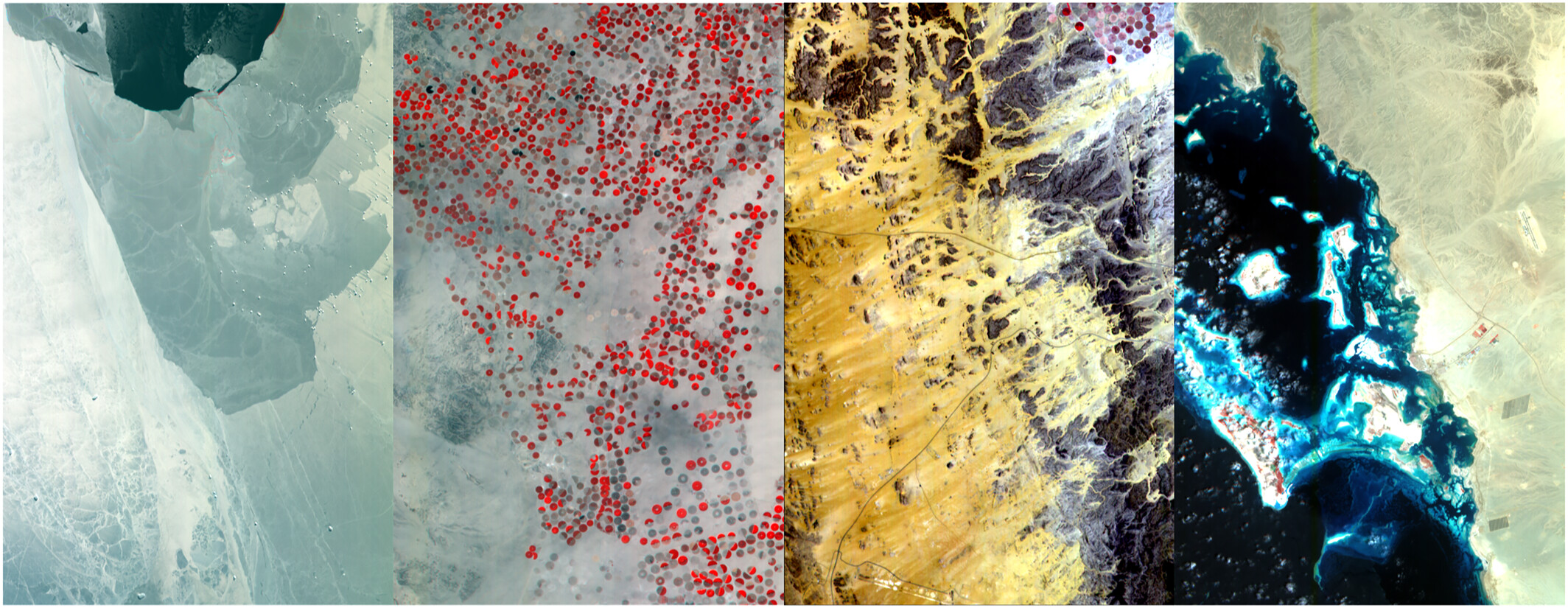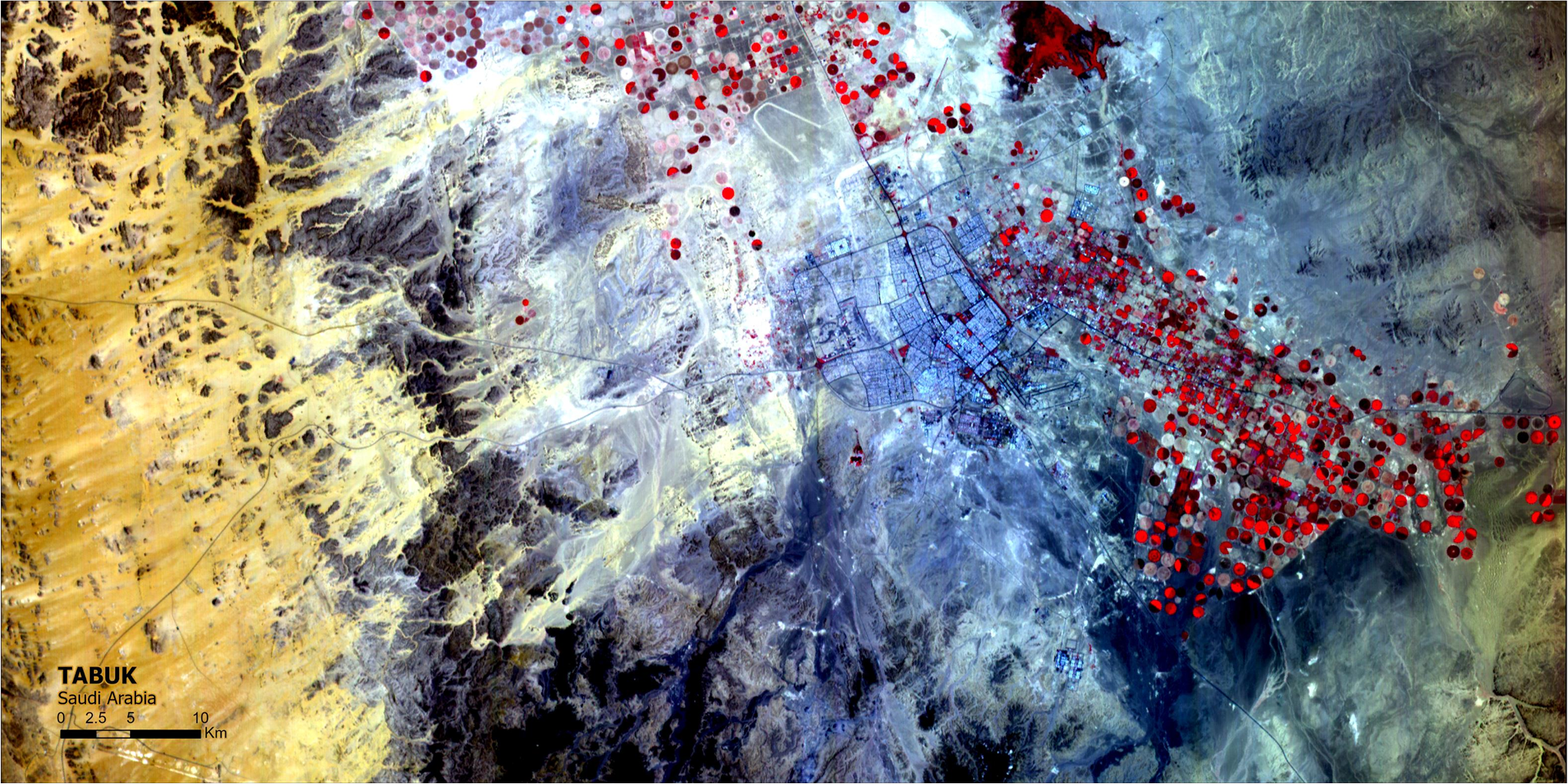
The Middle East's first research-focused hyperspectral CubeSat mission — built to support atmospheric science and remote sensing research from orbit.
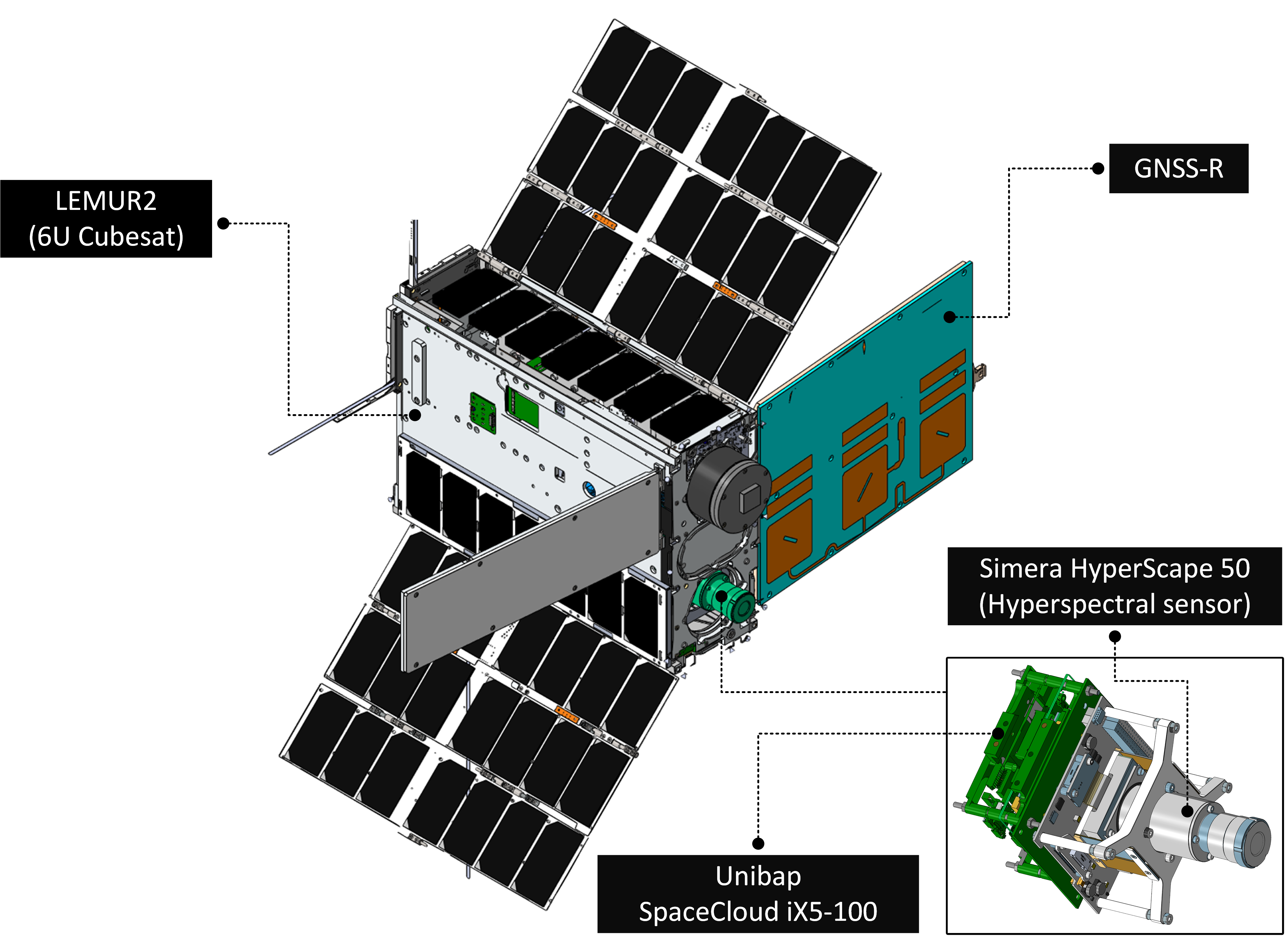
Developed at KAUST, KAUSTSat is Saudi Arabia's — and the region's — first hyperspectral CubeSat mission for Earth observation. Its primary payload is the Simera HyperScape50, a miniaturized hyperspectral sensor covering visible-to-near-infrared wavelengths, fitted with a custom continuous variable filter that captures imagery at 30 m spatial resolution across a 120 km swath.
The HyperScape50 can select up to 32 user-defined spectral bands per acquisition from 442 programmable channels spanning 442–884 nm, plus a panchromatic band — enabling detailed observations of vegetation, soil, coastal zones, and other surface features relevant to agriculture, biodiversity monitoring, resource management, and disaster response.
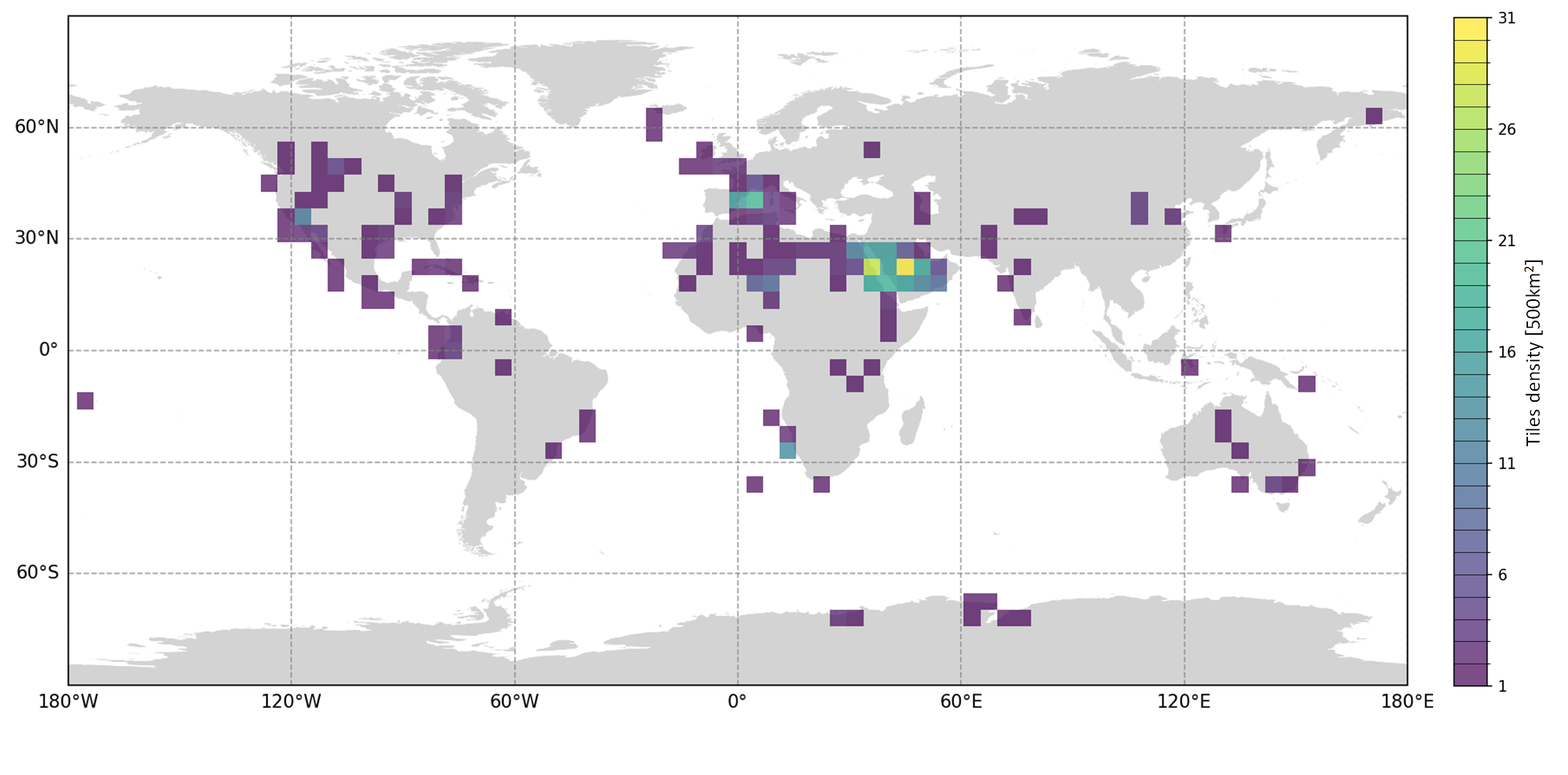
Our contribution covers the mission architecture, sensor design, acquisition strategy, and data structure, along with an overview of the hyperspectral datasets collected over the mission's 14-month lifetime — with particular focus on the Arabian Peninsula and RadCalNet calibration sites. KAUSTSat stands as a proof of concept for academic-driven CubeSat platforms delivering targeted, high-quality environmental data, and a useful reference point for future small-satellite Earth observation programs.